
Why Infrared Sauna Has Become a Recovery Ritual for Active Adults in Bothell
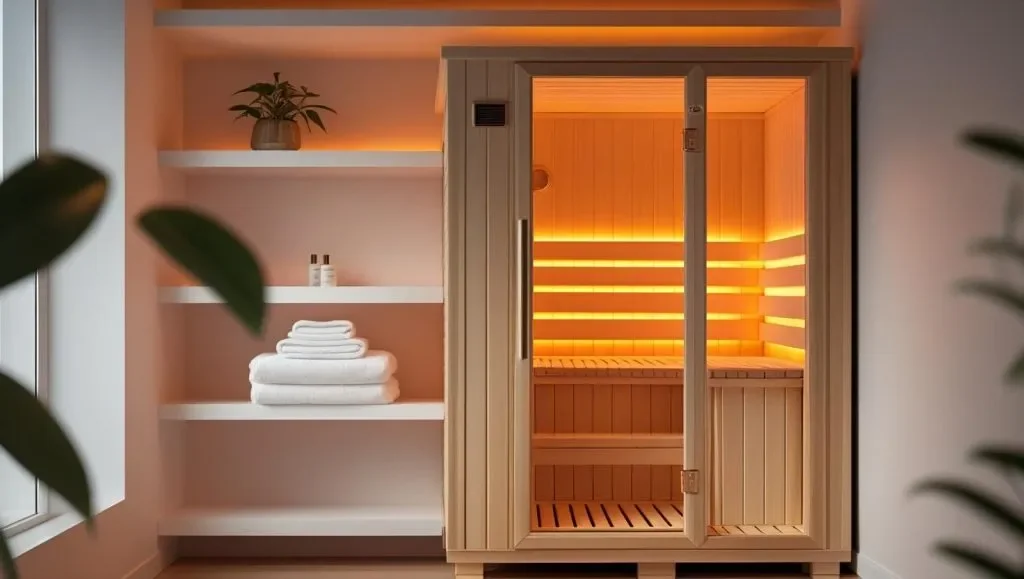
The heat pulls you inward, quiets the noise, and gives your body exactly what it has been asking for — a moment to recover, reset, and renew.
You work hard. You stay active. You try to eat well and get enough sleep. But if you're still waking up tired, dealing with nagging soreness, or just not feeling like yourself — it's probably not your effort that's the problem. It's your recovery.
For most people, recovery is an afterthought. A rest day here, a stretch there. But without intentional recovery, your body quietly accumulates stress — in the form of inflammation, restricted circulation, muscle fatigue, and cellular wear — that chips away at how you feel and perform every single day.
At Longevity Loft in Bothell, WA, we built our entire experience around one idea: when you recover well, everything else gets better.
What the Research Says About Infrared Sauna and Muscle Recovery
One reason infrared sauna therapy has gained traction in the wellness and athlete recovery world is its potential role in supporting recovery after exercise.
Heat exposure naturally increases circulation, which may help deliver oxygen and nutrients to muscles while promoting relaxation in tight or fatigued tissues. A 2022 study examining post-exercise infrared sauna sessions found improvements in neuromuscular recovery following strength training.
For active adults in Bothell, Kirkland, and Woodinville, this can translate into something practical: feeling less stiff after workouts, recovering more comfortably after demanding activity, or simply creating intentional downtime for the body. Many guests use infrared sauna after strength training, running, golf, cycling, skiing, hiking, or long workdays spent at a desk.
Recovery does not always need to feel extreme to be effective.
More Than Performance — The Case for Nervous System Recovery
Infrared sauna sessions also appeal to people who are not necessarily athletes but want a calmer, more restorative wellness experience.
Modern life creates constant stimulation — notifications, screens, stress, and packed schedules. Spending 20–30 minutes in a warm, quiet environment can become less about performance and more about nervous system recovery. Some research suggests sauna use may support relaxation and stress reduction, partly through cardiovascular and circulatory responses similar to light exercise.
At Longevity Loft, many clients describe their infrared sauna session as one of the few moments in their week where they fully disconnect. The experience is intentionally simple: warmth, stillness, breathing, and recovery. That consistency matters more than intensity.
How Infrared Sauna Fits Into the Full 60-Minute Protocol
At Longevity Loft, infrared sauna is one part of a curated four-modality recovery session designed to work together. Each service targets a different layer of recovery, and together they create a complete reset for the body.
01 — Compression Therapy (15 min): Improves circulation and reduces soreness and swelling.
02 — Infrared Sauna (25 min): Radiant heat relaxes muscles, supports circulation, and gives you space to decompress.
03 — Cryotherapy (3 min): Cold exposure reduces inflammation, boosts energy, and accelerates recovery.
04 — Red Light Therapy (15 min): Supports recovery at a cellular level and reduces inflammation from within.
There is no single best recovery tool for everyone. What matters most is consistency, intentionality, and listening to your body.
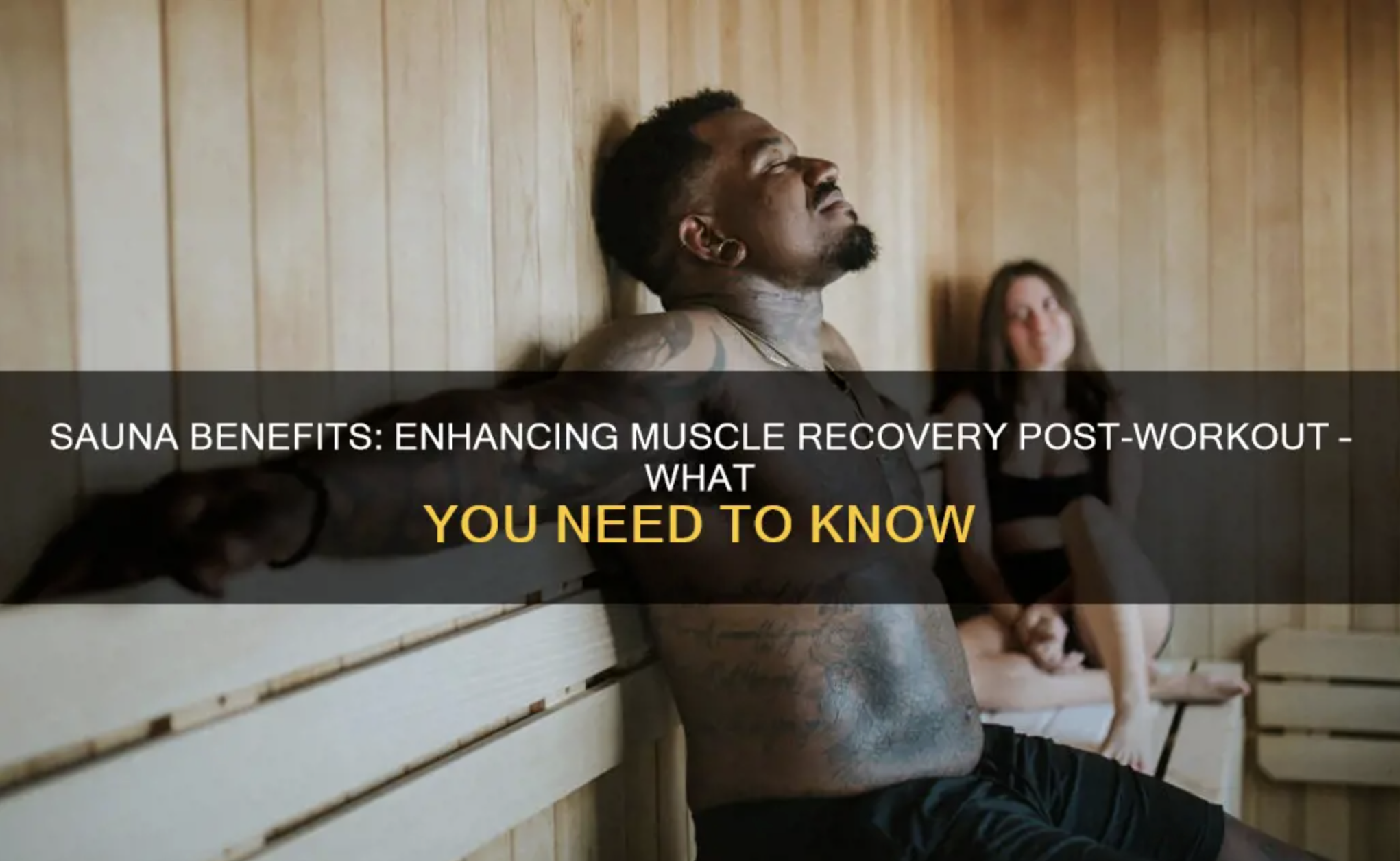
This is what recovery looks like — not pushing harder, but giving your body the stillness and warmth it needs to come back stronger.
Built for the Pacific Northwest Active Lifestyle
The Pacific Northwest naturally encourages movement. Hiking trails, pickleball courts, ski weekends, cycling routes, and year-round fitness communities make staying active part of the local culture around Bothell, Kirkland, and Woodinville.
But active lifestyles also create wear and tear. Infrared sauna for recovery can be a useful complement to movement-focused routines because it encourages people to prioritize recovery proactively — not just reactively when soreness appears.
Some people schedule sessions after heavy training days. Others use infrared sauna during stressful work weeks or travel-heavy periods when the body feels run down. The goal is not perfection. The goal is sustainability. When people recover better, they are often able to stay more consistent with movement, exercise, and healthy habits over time.
Recover Fast. Live Long.
Recovery should not feel like an afterthought. Whether you are training hard, balancing a demanding career, or simply trying to feel your best, creating space for recovery can help support long-term wellness and consistency.
At Longevity Loft in Bothell, WA, our infrared sauna experience is designed for active adults who value thoughtful recovery in a calm, elevated environment. Explore infrared sauna, cryotherapy, red light therapy, and compression therapy as part of your personal wellness routine.
Visit us at longevityloft.com or call us at 425-969-5638.